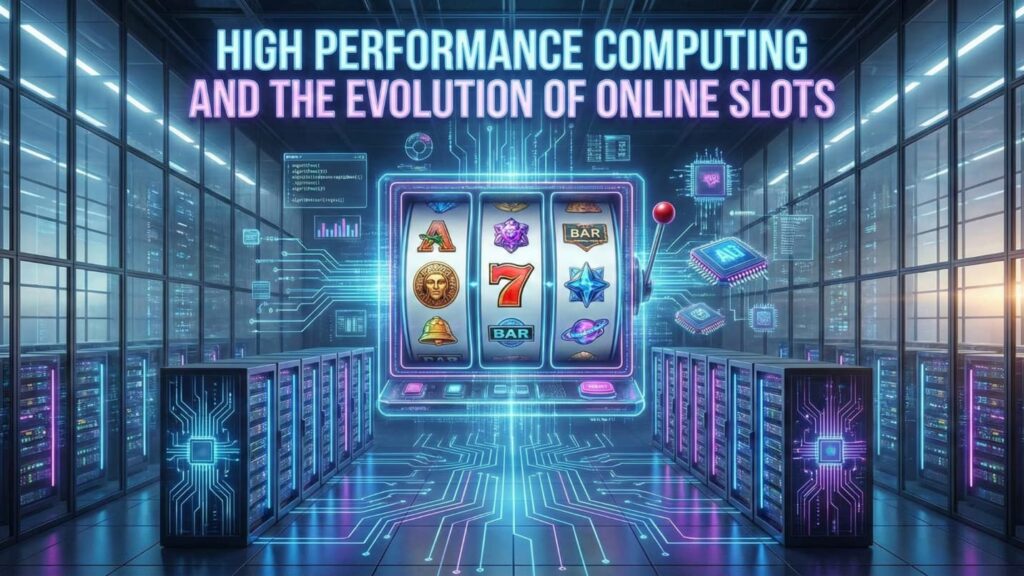
Online slots have transformed completely in the past decade. The games running on your phone now would have required supercomputers in 2010. High performance computing changed everything about how slots work and look. The technology behind modern slot games is genuinely impressive.
Most players don’t think about the computing power driving their spins. They see flashy graphics and smooth animations. Behind those visuals sits sophisticated technology that processes millions of calculations. Understanding this tech reveals how radically slots have evolved.
From Mechanical Reels to Cloud Computing
Original slot machines used physical reels with painted symbols. A simple motor spun the wheels and springs stopped them. The entire mechanism fit inside a cabinet. You could understand the whole system just by looking inside.
Early digital slots in the 1980s used basic random number generators. These RNGs ran on chips less powerful than modern calculators. The graphics were primitive blocks and simple shapes. Processing power limited what developers could create completely.
The internet era brought slots to computers but limitations remained. Your desktop CPU handled all the calculations locally. Games stayed relatively simple because home computers weren’t very powerful. Developers had to work within tight technical constraints.
Cloud computing changed the game entirely in the 2010s. Slots could offload heavy processing to remote server farms. Your device just displays results from powerful backend systems. This architecture enables features impossible just years earlier.
Modern slots use distributed computing across multiple data centers. The RNG calculations happen on specialized server hardware. Graphics rendering splits between your device and cloud resources. The system coordinates seamlessly in real-time across the internet.
Graphics Processing That Rivals Video Games
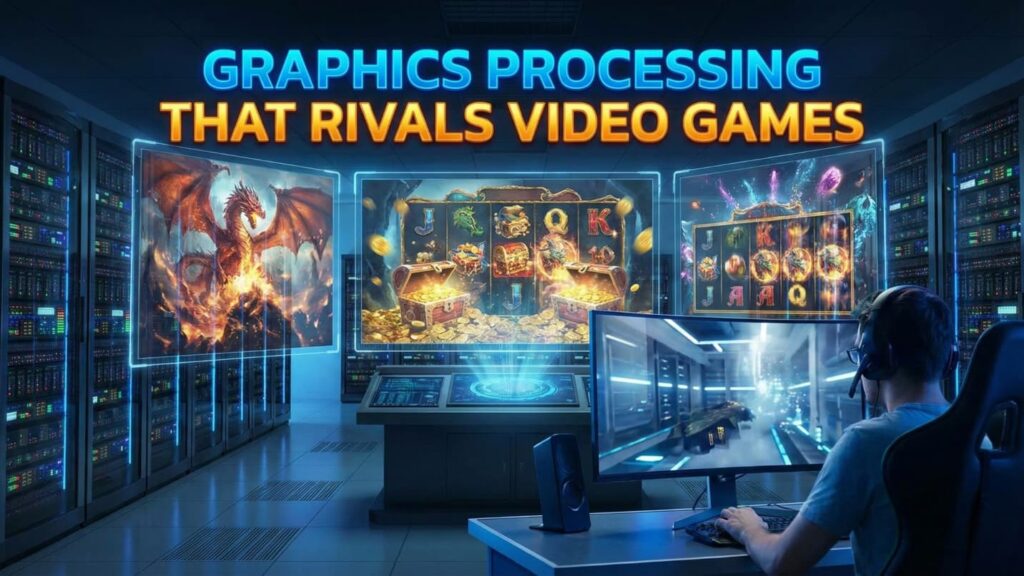
Today’s slot graphics rival console video games in quality. You see 3D characters with realistic textures and lighting. Animations are smooth at 60 frames per second. This visual quality requires serious GPU computing power.
Game developers now use the same engines that power AAA video games. Unity and Unreal Engine run many modern slot titles. These platforms handle complex 3D rendering and physics calculations. The technology is identical to what creates games like Fortnite.
High-end slots feature real-time ray tracing for lighting effects. This technique simulates how light actually bounces in the real world. It creates photorealistic reflections and shadows. The processing power needed is absolutely massive.
Mobile devices now pack desktop-class graphics processors. Your phone’s GPU can render complex 3D environments smoothly. This enables console-quality slots on devices you carry in your pocket. The performance leap happened incredibly quickly.
Developers optimize graphics for different device capabilities automatically. The same game adjusts quality based on your hardware. Powerful phones get maximum graphics while older devices get simplified versions. This scaling requires sophisticated backend processing.
Random Number Generation at Unprecedented Scale
RNG systems in modern slots generate billions of random numbers daily. Each spin needs multiple random values for different game elements. The calculations must be truly random and cryptographically secure. High performance computing makes this possible at global scale.
Older RNG systems used simple algorithms that could be predicted. Modern systems use quantum random number generators in some cases. These pull randomness from actual quantum mechanical processes. The level of true randomness is unprecedented in gambling history.
Casino servers process millions of spins simultaneously across all players. Each spin requires independent random number generation. The system must guarantee no correlation between different players’ results. This coordination demands massive parallel processing capability.
Regulatory testing requires proving true randomness across billions of spins. Gaming commissions examine the statistical distribution of outcomes. The data sets involved are enormous and require supercomputers to analyze. High performance computing validates the fairness mathematically.
Key Computing Components in Modern Slots
- Cloud-based RNG servers generating cryptographically secure random numbers
- GPU rendering farms handling graphics processing for thousands of concurrent players
- Load balancers distributing player traffic across multiple data centers worldwide
- Real-time databases tracking player progress and game states across sessions
- AI systems monitoring for problem gambling patterns and suspicious activity
- Content delivery networks caching game assets close to players globally
Artificial Intelligence in Game Design
AI now helps design slot games and balance their mathematics. Machine learning algorithms analyze player behavior patterns. Developers use this data to create more engaging game mechanics. The AI identifies what keeps players interested longest.
Some modern slots adapt difficulty based on your playing style. The AI notices if you’re getting bored and adjusts features. This personalization happens in real-time without you noticing. The system aims to optimize your engagement continuously.
Pattern recognition algorithms detect potential problem gambling behavior. The AI flags players showing addiction warning signs. Casinos can intervene before serious damage occurs. This protective use of AI is becoming legally required.
Developers test millions of game variations using AI simulation. Virtual players run through countless spins in minutes. The AI identifies which features work best before human testing. This dramatically speeds up game development cycles.
Natural language processing powers interactive slot characters now. You can have actual conversations with game mascots. The AI generates contextual responses to your inputs. It creates an immersive experience impossible without modern computing.
Live Dealer Integration and Streaming Technology
Live dealer games combine real casino equipment with online play. HD cameras stream actual roulette wheels and card tables. This requires massive bandwidth and processing power. The technology delivers lag-free video to thousands of simultaneous players.
Optical character recognition reads physical cards and wheel results instantly. The system converts real-world outcomes to digital data in milliseconds. Players see results on their screens nearly in real-time. The processing happens faster than human perception can detect.
Multiple camera angles stream simultaneously for different views. Players choose their preferred perspective during play. The video encoding and delivery requires serious computing infrastructure. Companies invest millions in the streaming technology alone.
Interactive features let you chat with dealers and other players. The system moderates conversations in real-time using AI. It filters inappropriate content automatically. This social element needs constant monitoring and processing.
Virtual reality integration is pushing streaming requirements even higher. VR live dealer games need stereoscopic video at high framerates. The bandwidth and processing demands are extreme. Only high performance computing makes this experience possible.
Big Data Analytics Driving Player Experience
Casinos collect enormous amounts of data about every spin. They track game choices, bet sizes, session lengths, and win rates. This information fills massive databases that require specialized storage. The data gets analyzed to optimize everything.
Predictive analytics forecast which games will trend next month. Machine learning identifies patterns in player preferences. Casinos stock their lobbies based on these predictions. The analysis processes petabytes of historical data.
Real-time analytics track game performance across all platforms. Developers see which features players use most. They identify bugs and balance issues within hours. This feedback loop happens at a speed impossible before.
Player segmentation uses clustering algorithms on behavioral data. The system groups similar players automatically. Marketing targets specific segments with personalized offers. The computation runs continuously on fresh data.
Fraud detection algorithms scan for unusual betting patterns constantly. They catch bot networks and cheating attempts quickly. The systems process millions of transactions looking for anomalies. Human investigators couldn’t possibly review this volume manually.
Mobile Optimization and Edge Computing
Mobile gaming now represents over 60 percent of online slots traffic. Phones have limited processing power compared to desktops. Edge computing helps deliver smooth performance anyway. The architecture is sophisticated and distributed.
Game assets get cached on servers near your geographic location. This reduces latency when loading new games. Content delivery networks span the globe strategically. Your phone downloads data from the closest available source.
Adaptive bitrate streaming adjusts video quality to your connection. Slow internet gets lower resolution automatically. The system prevents buffering and lag. These adjustments happen seamlessly without interrupting play.
Battery optimization algorithms reduce power consumption during play. The game adjusts refresh rates and graphics quality. This extends your playing time significantly. The optimization runs constantly based on device feedback.
Progressive web apps let slots run without traditional app downloads. The technology uses modern browser capabilities for near-native performance. Players access games instantly through web browsers. This requires sophisticated caching and service worker implementation.
The Future of Computing in Slots
Quantum computing will eventually revolutionize RNG systems completely. True quantum randomness could replace current cryptographic methods. The computational power will enable simulation of reality itself. Slot games could become indistinguishable from real casino floors.
Augmented reality slots will overlay games on your physical environment. Your living room becomes the casino floor. This requires serious processing for real-time environment mapping. Current mobile chips can barely handle basic AR features.
Brain-computer interfaces might let you control slots with thoughts. Neural processing needs computing power we can barely imagine. The technology exists in labs but needs decades of development. Gaming could become a purely mental experience eventually.
5G and eventually 6G networks enable cloud gaming architectures. Your device becomes just a thin display client. All processing happens on remote supercomputers. Latency drops low enough that you won’t notice the difference.
High performance computing transformed slots from simple mechanical toys into sophisticated entertainment platforms. The technology behind modern games is remarkable and constantly improving. What seemed impossible five years ago is standard today. The evolution continues accelerating faster than most players realize.